

Storage Conditions and Shelf Life of Fermented Dairy Products
Fermented dairy products are a valuable source of calcium and protein, which are absorbed even better than from regular milk. However, it is important to note that they also provide an excellent environment for bacterial growth. Here we explain why it is crucial to pay attention to the shelf life of cottage cheese, cream, kefir, and yogurt to ensure consumption is both beneficial and safe for your body.
Shelf Life of Fermented Dairy Products
Regarding shelf life on supermarket shelves, manufacturers set expiration dates independently. Before marking a product, they consider the storage reserve coefficient specific to each product. Therefore, products of the same type may have different expiration dates. Quality and storage duration also depend on adherence to production, transportation, and storage standards before reaching the shelves.

It is recommended to follow the storage periods established by technical conditions according to national standards.
When preparing fermented dairy products at home, you can control the cleanliness of utensils, maintain proper temperature, and be confident that for up to five days there is no concern about the safety or quality of the beverage or fermented dish. Starter cultures used for various products are in a dormant state:
These starter cultures can be stored for 12 months at +2°C to +8°C, and are resistant to temperature variations when stored according to guidelines and in their original packaging.
Cottage Cheese

Due to its high protein content, significant oxidation may occur in cottage cheese, which cannot be detected by taste or smell. Therefore, the shelf life of cottage cheese at +2 to +6°C is up to 7 days in polymer packaging and no more than 3 days in parchment packaging.
Cream

Cream has a high fat content, so oxidative processes accelerate rapidly after its shelf life ends. Production guidelines recommend storing cream at 0 to +6°C for no more than 5 days.
Kefir

For kefir, adherence to storage time and conditions is especially important because it is produced via lactic fermentation accompanied by alcoholic fermentation. Alcohol is formed during this process, normally between 0.2% and 0.6%. Exposure to temperatures between 18–30°C for at least 4 hours can increase this to 2.5%, causing kefir to sour.
Kefir retains its beneficial properties when stored for 3–5 days at 0–6°C. Once opened, it should be consumed within two days.
Read more: Kefir: benefits, composition, and preparation
Yogurt

Yogurt is quite stable during storage due to its high milk solids content, though protein oxidation occurs quickly after expiration. Yogurt stored at 0 to +6°C has a maximum shelf life of 14 days. Thermized yogurt lasts up to 30 days, but most beneficial bacteria die during heat treatment. Homemade yogurt should be stored in the refrigerator for 3–5 days.
Regardless of whether it is cottage cheese, cream, kefir, or yogurt, consume these products within five days. Beyond this, pathogenic microflora increases significantly, which can cause digestive issues and food poisoning.
Storage Conditions for Fermented Dairy Products
Fermented dairy beverages are high-moisture products and should be stored in an environment with 80–85% humidity, away from light and direct sunlight.

Failure to follow storage conditions drastically reduces shelf life. Contact with oxygen and higher temperatures triggers oxidation, forming harmful compounds. Maintaining sealed packaging, correct temperature, and proper organization with other foods helps slow oxidation.
At Room Temperature
Do not leave fermented dairy products at room temperature for more than 5–6 hours, depending on humidity. Even if taste remains unaffected, further storage will be compromised due to active oxidation.
In the Refrigerator
The best storage location is the fridge at a temperature no higher than +6°C (up to +8°C briefly). Avoid the door; use shelves instead. Keep packaging closed to prevent bacterial contamination and odors. If the packaging cannot be resealed, transfer contents to a container with a lid.

Maintain proper arrangement, avoid overcrowding, and ensure all food is sealed to preserve flavor and nutrients throughout the shelf life.
In the Freezer
Freezing is suitable for long-term storage or products not used before expiration. However, not all dairy products freeze well. Milk retains structure and flavor, but kefir and yogurt may separate, making them suitable only for cooking (e.g., pancakes). Cream may also separate.
Cottage cheese can be frozen at -18°C for up to 6 months. If previously opened, storage reduces to 4 months. Expect a more crumbly texture after thawing.
Proper storage ensures the nutritional benefits of fermented dairy products are maintained.
Images sourced from: pixabay.com, pexels.com.
The perfect choice:


- Classic kefir made with your own hands.
- Improves metabolism.
- Helps eliminate excessive weight.


- Healthy food for children aged 2 and above.
- Restores microflora balance.
- Normalizes digestion.

- Tender homemade cottage cheese
- Confidence in composition and freshness
- Excellent source of Protein and Calcium

- Strengthens the immune system
- Decreases risks of catching a cold
- Has an excellent taste and thick texture
Find the right VIVO product for you
- Strengthens the immune system
- Decreases risks of catching a cold
- Has an excellent taste and thick texture
Learn more about VIVO products
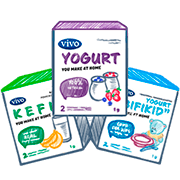
CHOICE OF STARTER CULTURES
with delivery across Canada and the USA Сlick here
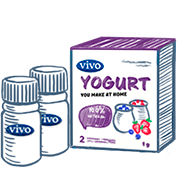
ABOUT STARTER CULTURES
of living with VIVO starter cultures Сlick here
